

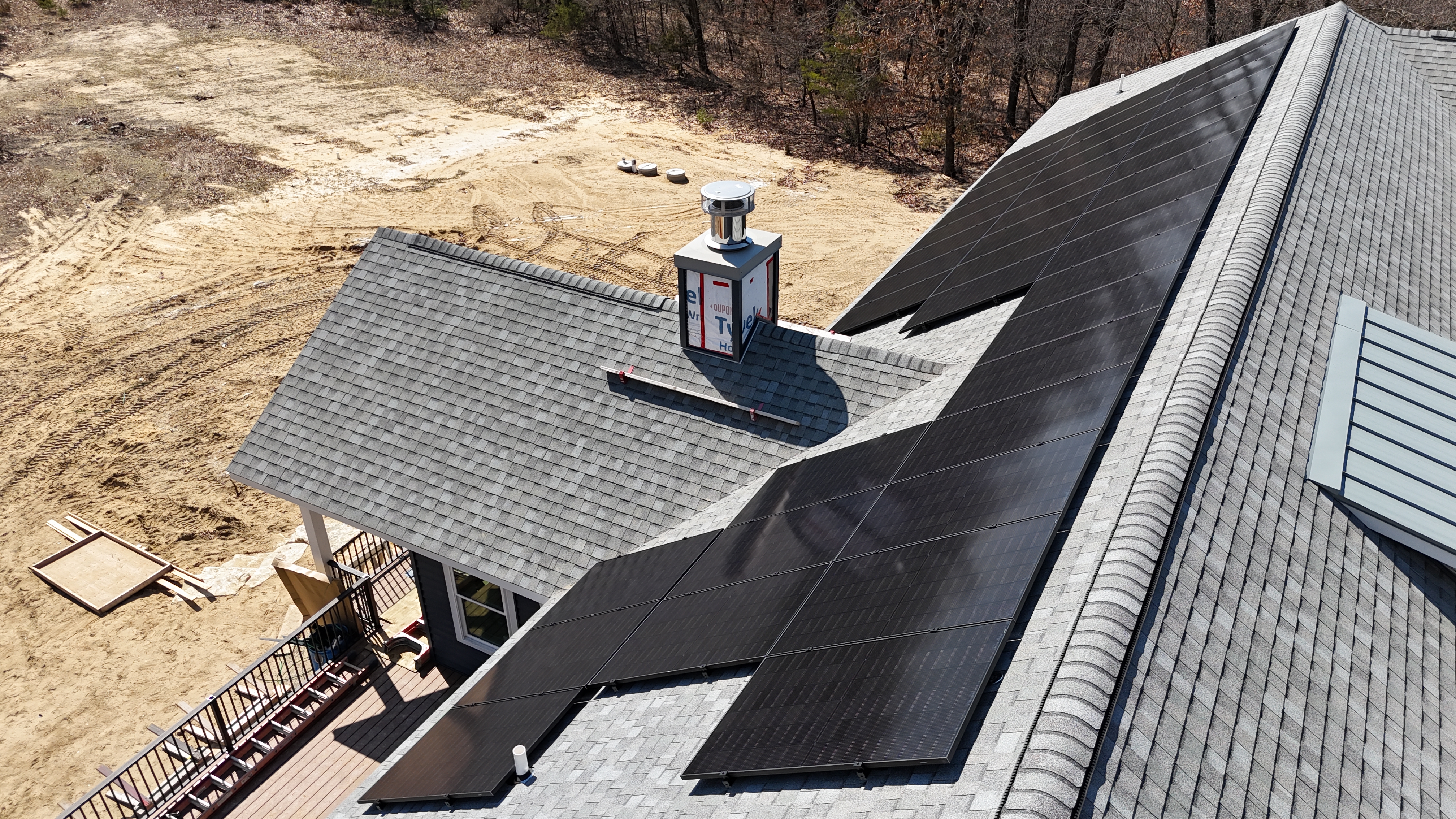
Roof + solar planning guide
A solar array may remain on a home for decades. The roof underneath it should be ready for the same commitment.
You do not automatically need a new roof before installing solar. But if the roof is near the end of its useful life, coordinating roofing and solar work before the array is installed can prevent avoidable removal and reinstallation costs later.
Why roof timing matters
Rooftop solar does not make an aging roof younger. If shingles or another roofing system must be replaced after solar is installed, the array normally has to be safely removed and later reinstalled. That work involves electrical shutdown, equipment handling, temporary storage, new layout coordination and recommissioning.
Planning both projects together also helps the roofer and solar contractor agree on flashing, attachment locations, warranties and responsibility before work begins.
Signs the roof deserves a closer review
- Active or recurring leaks
- Missing, curling, cracked or heavily worn shingles
- Soft decking or signs of moisture in the attic
- Previous repairs in the proposed array area
- A roof already approaching the contractor’s expected replacement window
- Poor drainage, ponding or membrane concerns on a low-slope roof
- Planned additions, dormers, vents or chimney work
Questions for the roofing contractor
- What is the roof covering, approximate age and observed condition?
- Is the decking sound in the areas intended for solar?
- Are there ventilation or moisture problems that should be corrected first?
- Will the roofing warranty allow the proposed solar attachment method?
- Who should complete or inspect penetrations and flashing?
- How should future roof service be documented?
Questions for the solar contractor
- Where will attachments, wiring routes and rooftop equipment be located?
- What flashing or mounting method is proposed for this roof type?
- How will required access paths and setbacks affect the layout?
- What happens if roofing work is needed later?
- Who is responsible for removing and reinstalling the array?
- What installation documentation and photos will the owner receive?
Roof replacement and solar design should be coordinated
If replacement is the better choice, the solar layout should be considered before vents and other rooftop equipment are relocated. Small decisions can preserve usable roof area, reduce shade and make service access cleaner.
The roof is only one part of the decision. Orientation, shade, electrical service and energy use also affect whether a project is practical. Compare the factors that influence residential solar cost and what a complete solar proposal should show.
| Roof situation | Sensible next step |
|---|---|
| Newer roof in good condition | Document condition and verify mounting/warranty details |
| Uncertain age or repair history | Arrange a qualified inspection before final design |
| Known leaks or near-term replacement | Coordinate roofing and solar scopes before installation |
Bottom line
The best time to resolve roof uncertainty is before equipment is installed. A documented roof review protects the homeowner, roofer and solar contractor—and makes the long-term system easier to own.
Start with the whole property
Lydon Electric & Solar evaluates the roof, electrical system, shade and practical installation path before developing a final proposal.
Last reviewed October 30, 2026. Roof condition and remaining life must be evaluated for the specific property.