

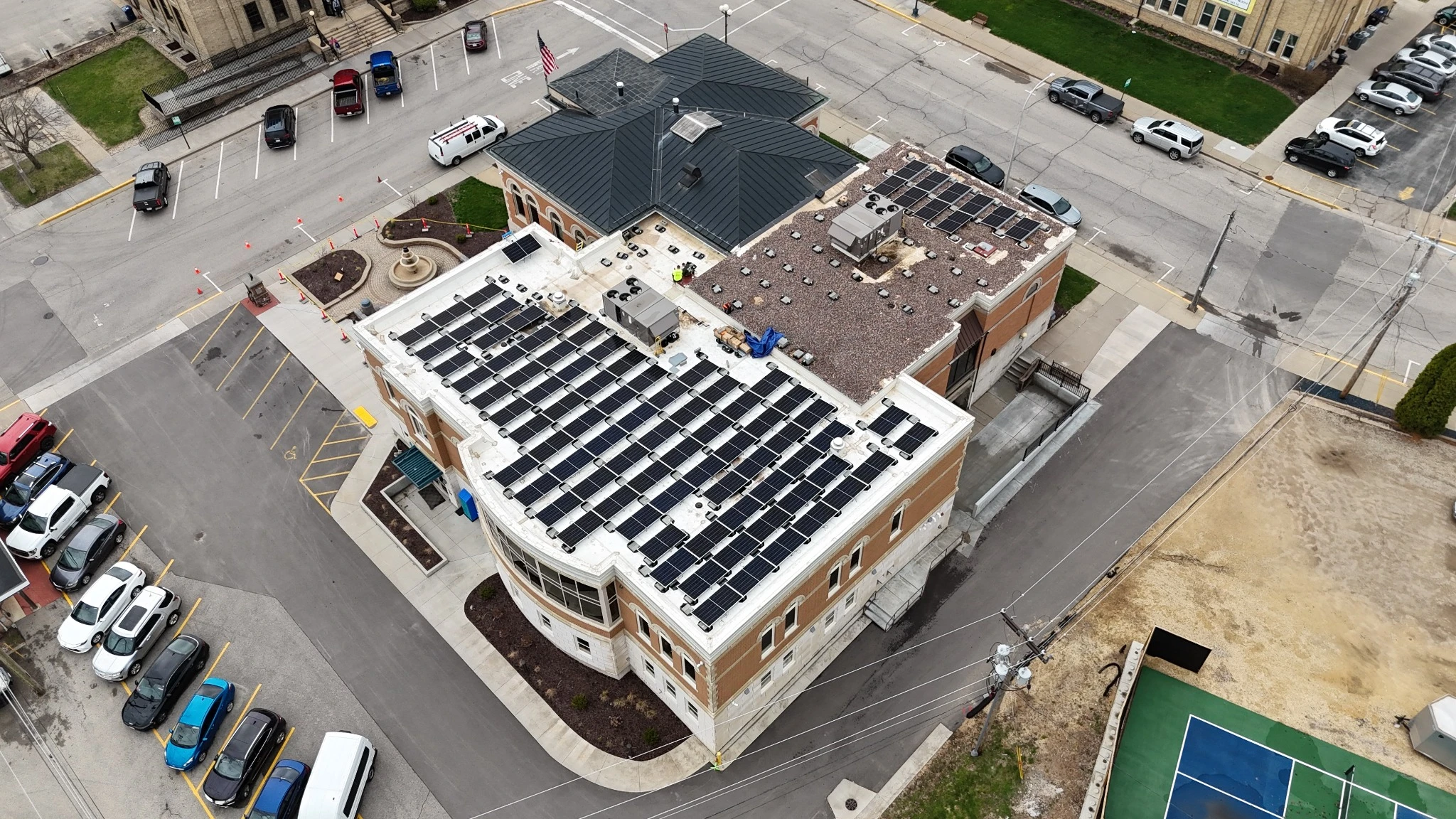
Commercial project roadmap
Signing a contract starts the project. It does not mean construction begins the next morning—or that the system can operate immediately after the last panel is installed.
Commercial solar usually moves through site verification, design, utility review, permits, procurement, construction, inspections, testing and permission to operate. Several steps depend on organizations outside the installer’s direct control.
1. Contract handoff and project kickoff
The team confirms scope, responsibilities, communication, billing milestones, site access and required owner documents. Any proposal assumptions that still need verification should be listed openly.
2. Detailed site verification
- Roof, land or canopy dimensions
- Structural and geotechnical information where applicable
- Electrical service, switchgear, transformers and metering
- Equipment locations and wiring routes
- Access, staging, trenching and restoration
- Roof warranty and facility-operation constraints
3. Engineering and final design
The preliminary concept becomes a construction-ready design. This can include electrical drawings, structural details, equipment schedules, protection settings and site-specific installation requirements. Material changes should be reflected in the scope before procurement.
4. Utility interconnection review
The utility evaluates the proposed generator connection. Depending on the project, this may involve an application, engineering study, supplemental information, protective-device review, agreements, fees, meter changes or witness testing.
The installer can submit complete information and respond promptly, but cannot promise the utility’s review time or final requirements.
5. Permitting and other approvals
Electrical, building, zoning, fire, stormwater or other approvals may apply. Public institutions and grant-funded projects may also have procurement, board or funding milestones.
6. Procurement and scheduling
Equipment is released after design and major approval risks are understood. Long-lead switchgear, transformers, protective relays or specialty racking can affect the sequence. The schedule should also account for roof work, facility shutdowns, school calendars, public events and winter conditions.
| Phase | Typical gate before moving forward |
|---|---|
| Design | Verified site data and owner decisions |
| Interconnection | Utility review and required agreements |
| Construction | Approvals, materials and coordinated site access |
| Operation | Inspection, testing, metering and utility authorization |
7. Construction
Work may include foundations or roof preparation, racking, modules, inverters, trenching, conductors, switchgear, metering and controls. Larger projects are sequenced to reduce disruption and preserve safe facility operation.
8. Inspection, commissioning and testing
The installer verifies equipment, torque, insulation, settings, communications, shutdown functions and monitoring. The authority having jurisdiction and utility may require separate inspections or tests.
9. Permission to operate and closeout
The system should not operate in parallel with the grid until the applicable approvals are complete. Closeout should provide drawings, manuals, warranties, test records, monitoring access and owner training.
Before beginning, use the commercial feasibility checklist and confirm what the proposal should include. You can also see Lydon’s completed solar work.
What can delay a commercial solar project?
- Incomplete utility or site information
- Unexpected service or structural conditions
- Owner scope changes after design
- Long-lead electrical equipment
- Roofing or civil-work coordination
- Permit, utility or third-party review
- Weather and facility access constraints
Bottom line
A realistic roadmap protects the owner from false expectations. Good project management makes each dependency visible, assigns responsibility and communicates changes early.
Plan the entire path—not only installation day
Lydon Electric & Solar manages commercial projects from site review through commissioning and utility coordination.
Last reviewed October 30, 2026. Project requirements and timelines vary by utility, jurisdiction, equipment and site.